Borders are historical arrangements through which land, movement and belonging are organised. They determine far more than the limits of states: they shape access to territory, distinguish legitimate mobility from unwanted movement, and participate in deciding whose presence may become secure and whose must remain conditional.
Their effects are material, legal and cultural, extending through property, labour, citizenship and the categories by which societies recognise some forms of belonging while denying others.

It is within these contested landscapes that Borderscape situates itself. To think through borderscapes is not simply to widen the meaning of the border, but to question the divisions through which political problems are so often presented to us. Landlessness is treated apart from migration; displacement apart from property; cultural belonging apart from mobility.
Yet the same histories of dispossession, extraction, unequal development and territorial control frequently run through them all.
Migration, in this sense, rarely begins at the frontier. Long before a person crosses a border, the possibility of remaining may already have been narrowed by the loss of land, the destruction of livelihoods, environmental degradation, war, political violence or economic relations that make a life elsewhere less a choice than a necessity.
To speak seriously about movement therefore requires asking not only who is allowed to leave or enter, but who retains the material and political possibility of staying.
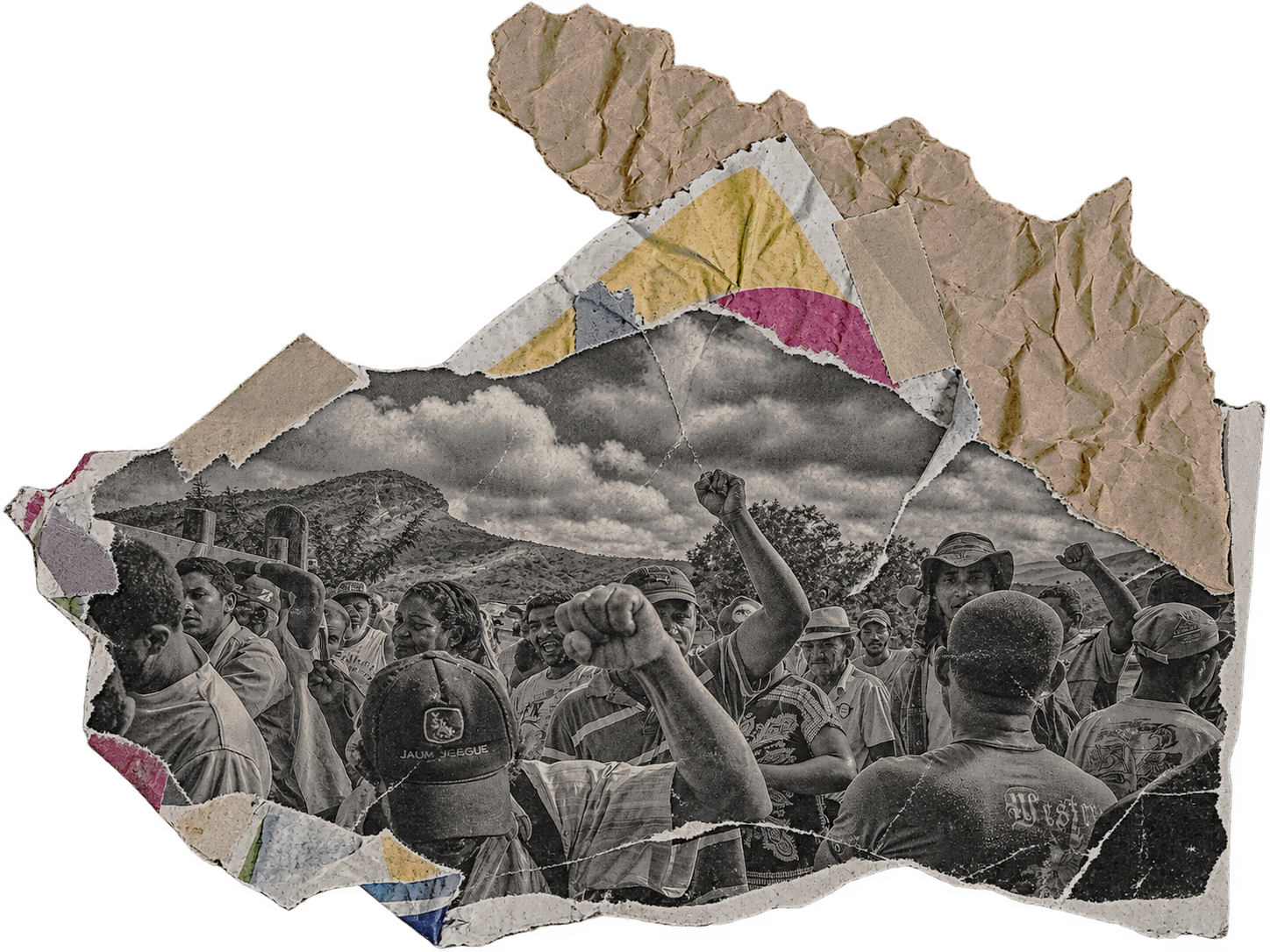
AND THE FREEDOM
OF MOVEMENT CANNOT
BE SEPARATED.
Borderscape therefore approaches displacement, landlessness and migration as connected political conditions rather than separate fields of concern. The struggle of those denied land, of communities whose territories have been appropriated, and of those who seek the freedom to build a life elsewhere belongs to the same wider question: under what conditions are people able to remain, move and belong?
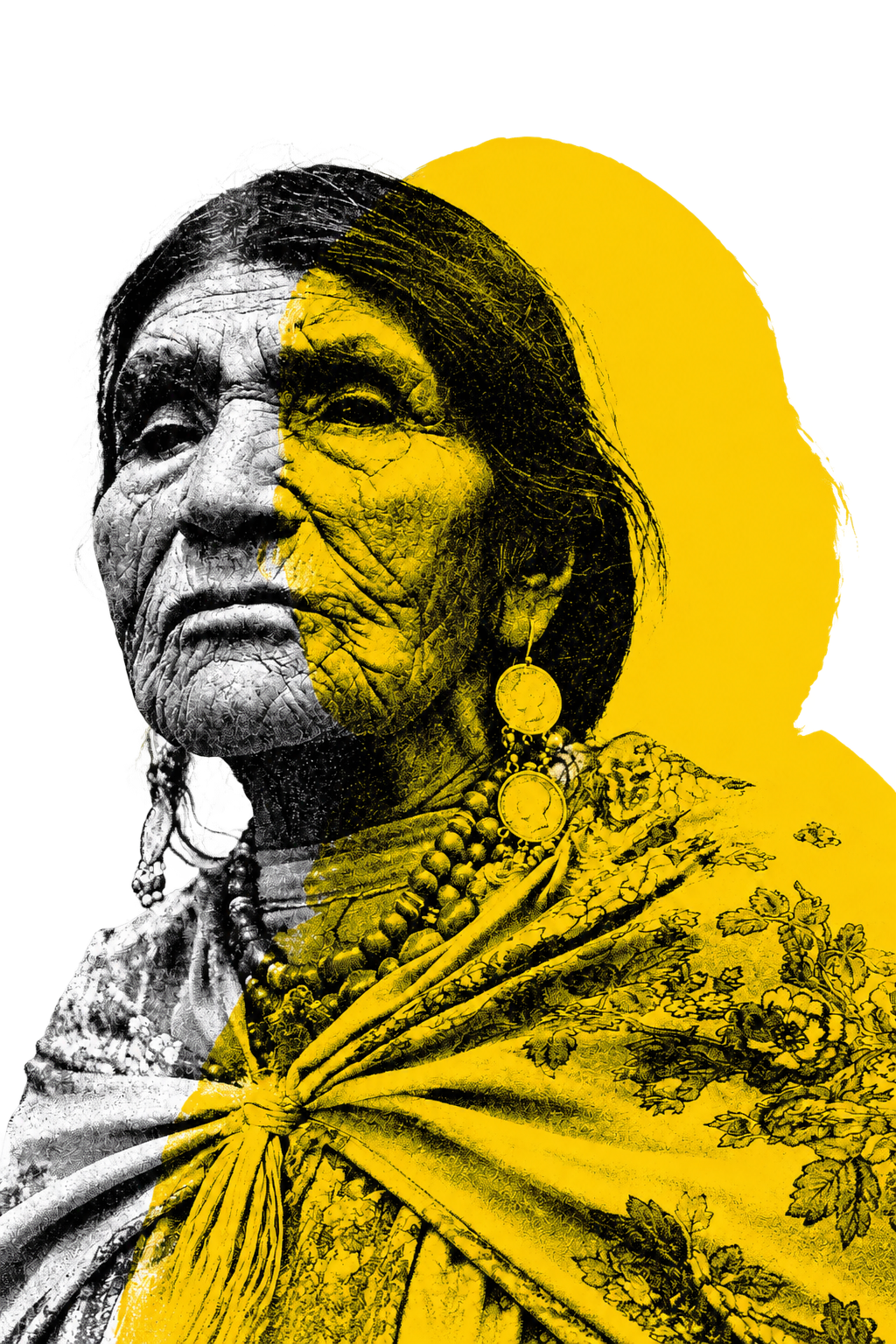
Land cannot be understood only as property. For those who depend upon it, defend it or inherit relations with it, land may sustain livelihood, memory, collective autonomy and political existence. Its loss cannot always be compensated by another parcel, another house or another market transaction. Entire forms of life may depend upon relations to territory that exceed ownership.
To defend the possibility of remaining is therefore to defend the conditions under which communities can reproduce themselves without being forced to choose between dispossession and departure.
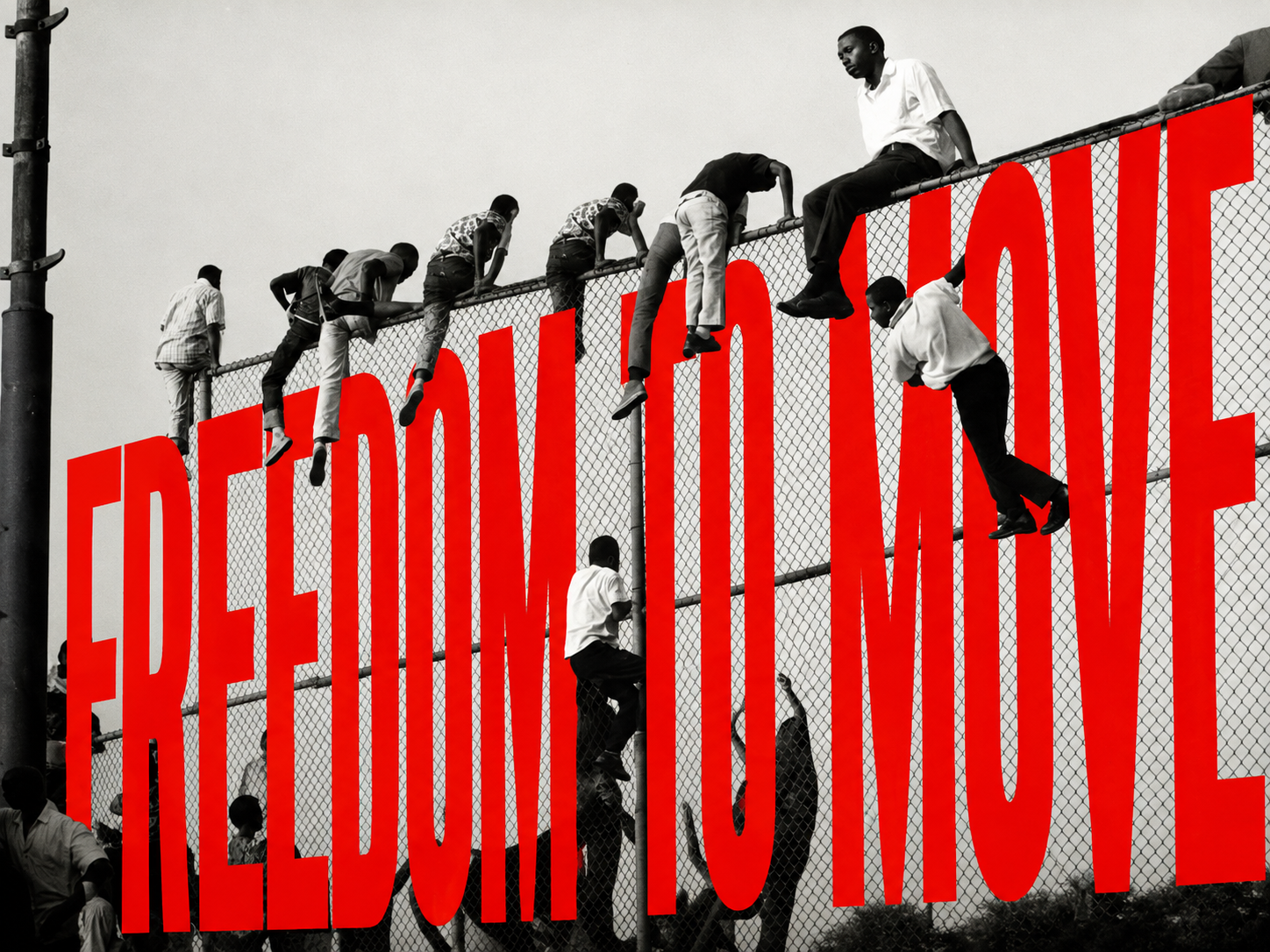
But remaining cannot become an obligation. A politics attentive to dispossession must resist the temptation to turn attachment to place into destiny. People move because they are forced to, but also because they want to. They leave for work, affection, curiosity, safety, knowledge, political possibility and the desire for another life. Mobility can express autonomy as much as vulnerability.
The freedom to move means little without the freedom to stay, but the freedom to stay becomes confinement when departure is denied.
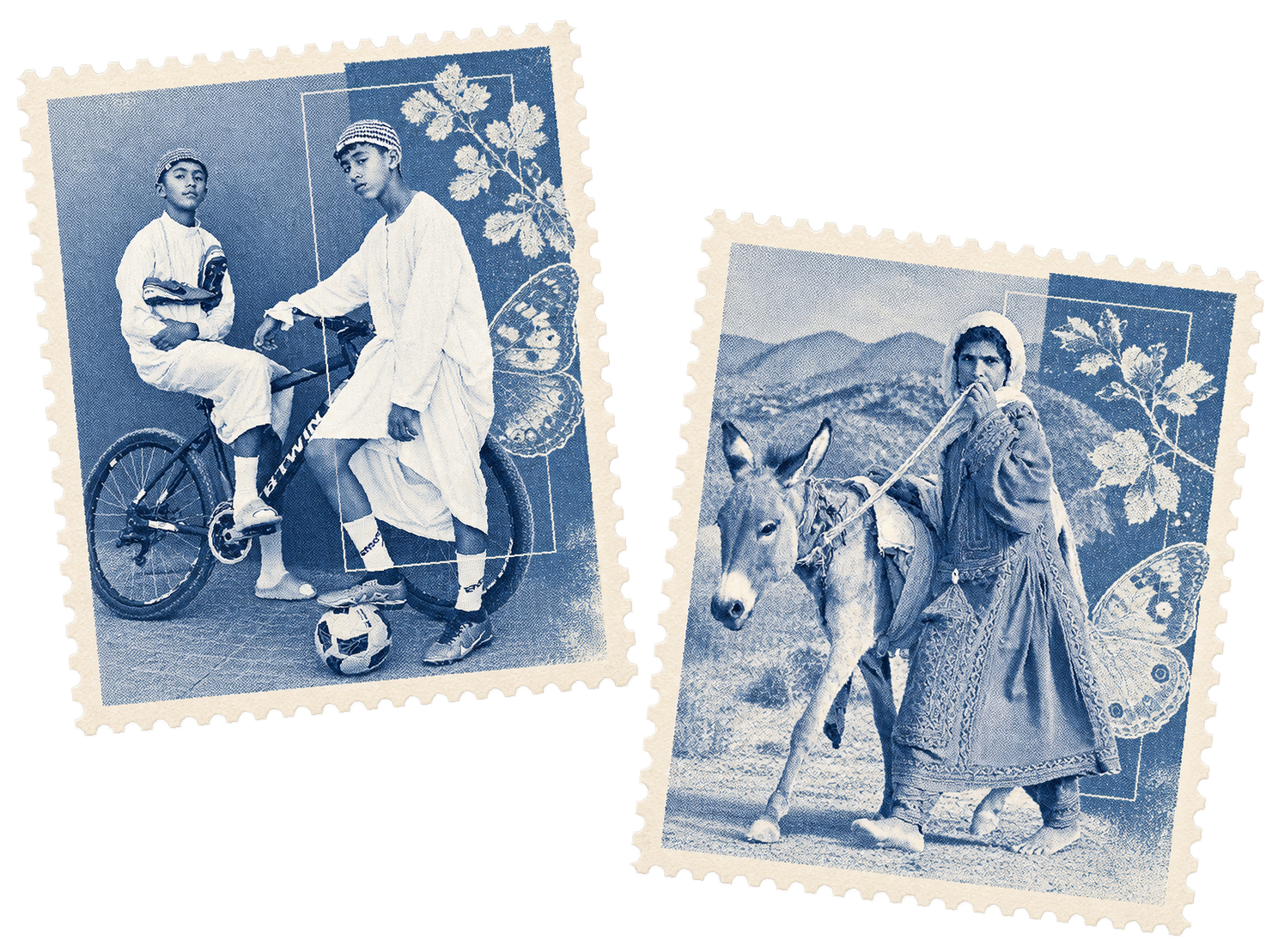
This is why the migrant cannot be reduced to an object of protection. Protection matters wherever people are exposed to persecution, exploitation or violence, but it cannot define the limits of political imagination.
Migrants work, organise, create institutions, transform neighbourhoods, produce culture and intervene in the societies in which they live. They are not merely subjects of humanitarian concern or populations to be governed. They are political actors whose experiences expose the structures through which labour, citizenship and mobility are made unequal.
The conditions imposed on movement are inseparable from the conditions imposed on work. A residence permit tied to an employer, the threat of deportation, exclusion from social rights or the absence of regular status can turn ordinary economic dependence into extraordinary forms of discipline.
Migrant labour is frequently indispensable precisely where migrant workers remain politically precarious. The border does not simply keep people out; it also helps determine the terms under which those admitted may live and work.

This contradiction belongs to a wider global order. Capital crosses borders with a freedom unavailable to much of humanity. Commodities circulate through highly integrated markets. Corporations distribute production across continents, resources are extracted from distant territories, and wealth can purchase access to jurisdictions otherwise closed to most.
At the same time, workers wait for permits, families remain divided by visa regimes, asylum seekers encounter detention and pushbacks, and entire nationalities are subjected to suspicion before movement has even begun.
BORDER IS NOT
THE OPPOSITE OF
GLOBALISATION.
A world capable of moving goods, money and information at extraordinary speed has retained elaborate mechanisms for deciding which people may move with comparable freedom. The inequality lies not in connection itself, but in the political and economic order governing who is permitted to participate in it.
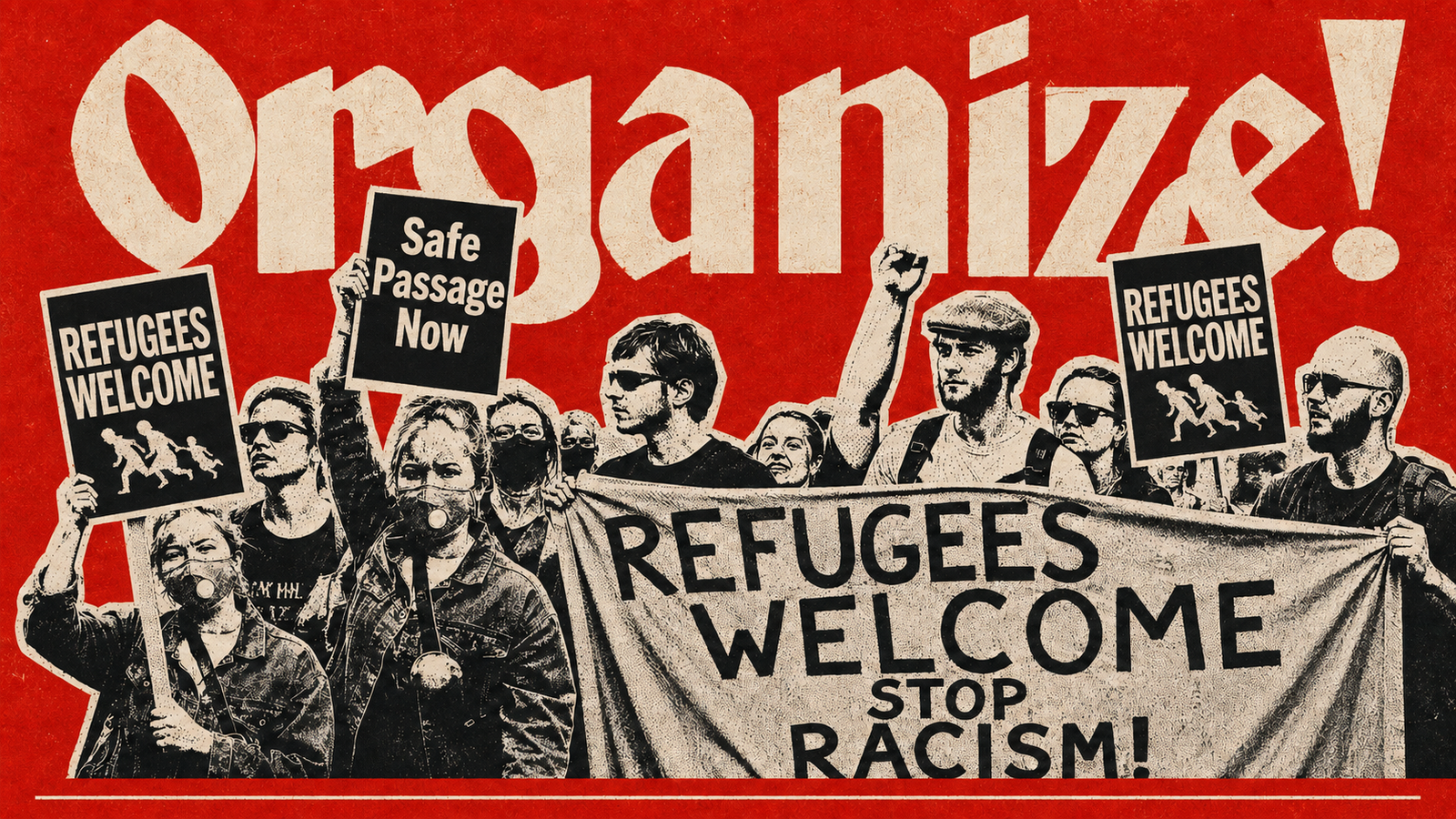
Borderscape starts from the conviction that nationalism and capitalist globalisation do not exhaust the possibilities of international connection. Another form of internationalism remains possible: one grounded in solidarity, cultural encounter and the freedom of peoples to move, remain and belong.
Such an internationalism cannot be built through nostalgia for closed national societies. The injustices of global capitalism are not repaired by treating culture as property, migration as contamination or territorial closure as sovereignty restored.
Nor can internationalism mean the extension of a single political centre, cultural norm or model of development across the world. The task is more demanding: to imagine relations across borders that do not depend upon either homogenisation or enclosure.
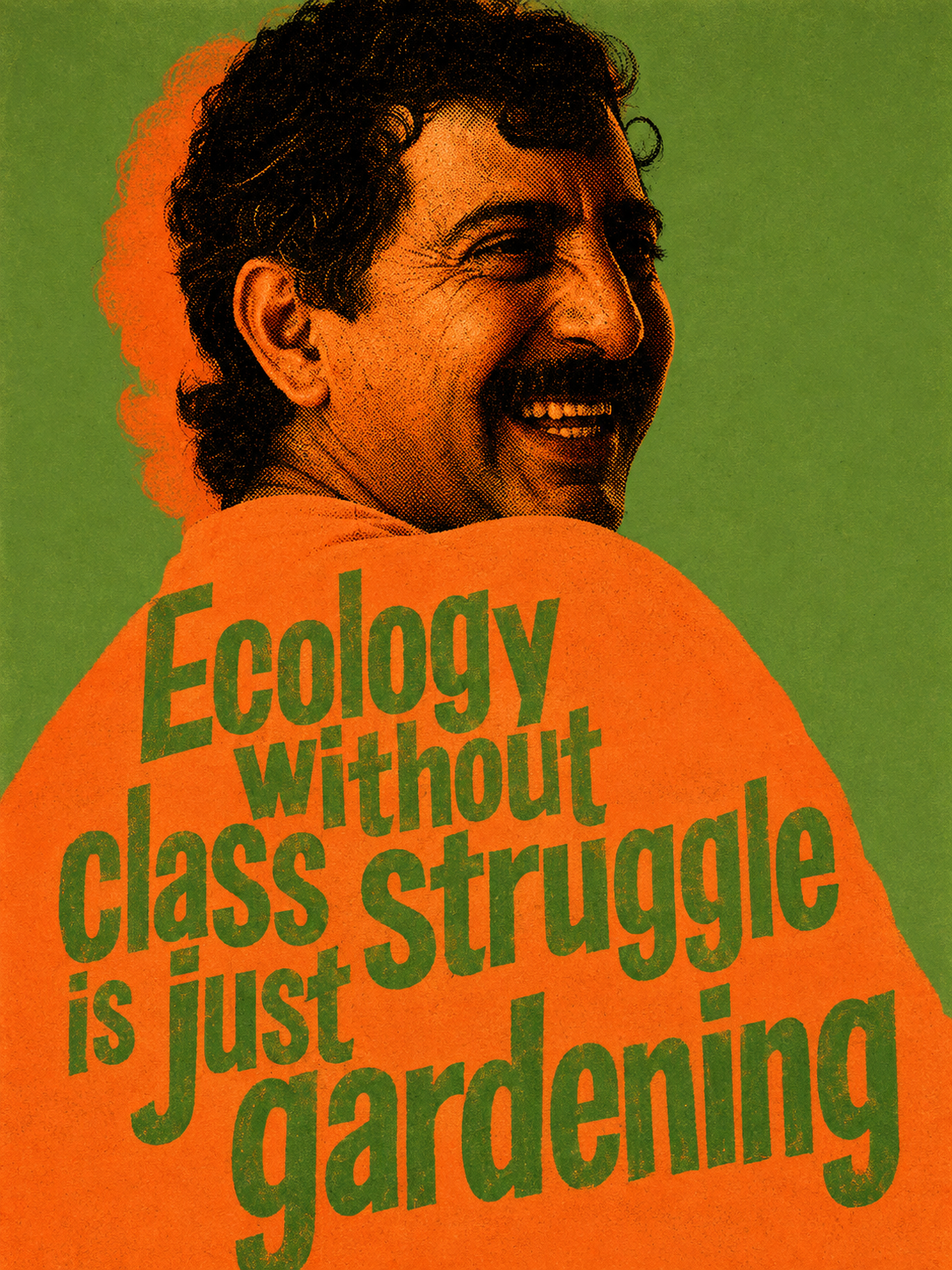
Movement makes this question unavoidable because people do not cross borders alone. Languages, memories, political traditions, practices and ways of understanding the world travel with them. Migration reshapes places of departure and arrival alike.
The resulting encounters belong to the historical processes through which cultures have always been formed.
Cultural coexistence should demand neither assimilation nor isolation. We are interested in forms of intercultural life in which difference can persist while cultures remain open to encounter, transformation and mutual influence.
Against both homogenising universalism and the enclosure of cultures into fixed identities, Borderscape understands cultural life as historically mobile, relational and unfinished.
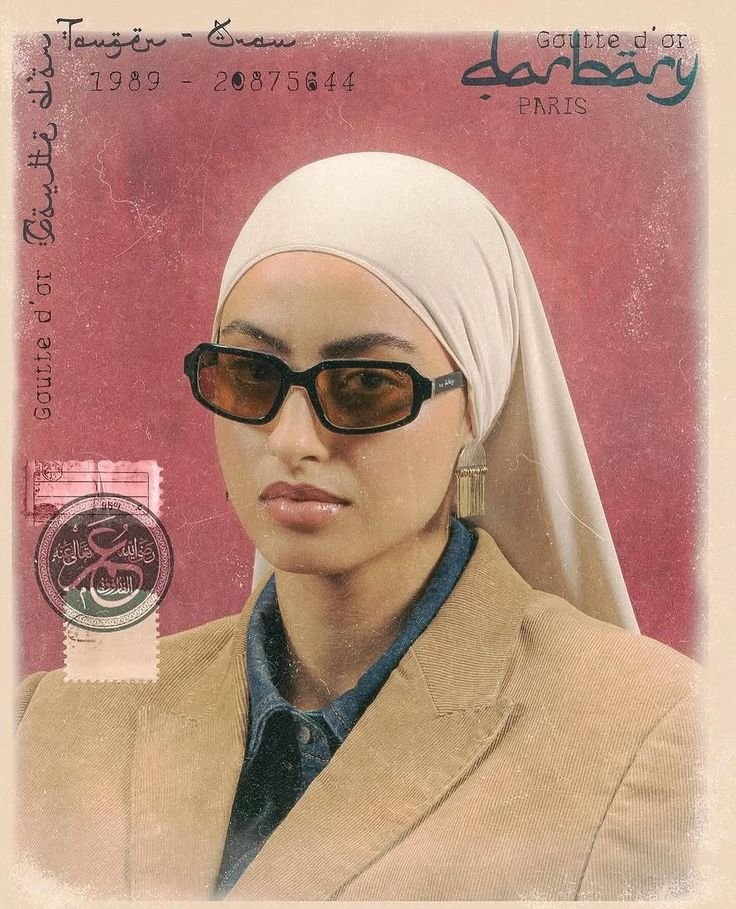
This position also requires moving beyond a shallow language of multicultural tolerance. A society does not become genuinely plural simply because different communities are permitted to occupy the same territory while remaining socially and politically distant.
Diversity becomes harmless decoration when it is welcomed only on the condition that existing relations of power remain intact.
Interculturality begins from a more difficult proposition: cultures are not sealed worlds. They meet, borrow, resist, translate and change. People inhabit several cultural and political worlds at once. New forms of belonging emerge between categories that institutions continue to treat as fixed. None of this requires pretending that cultural encounters take place between equals.
Colonial histories, racism, economic inequality and political domination shape whose language becomes universal, whose practices are treated as backward, and whose difference becomes something to be managed. Encounter without attention to power is not emancipation. But preserving difference by enclosing cultures within permanent boundaries offers no emancipatory alternative either.
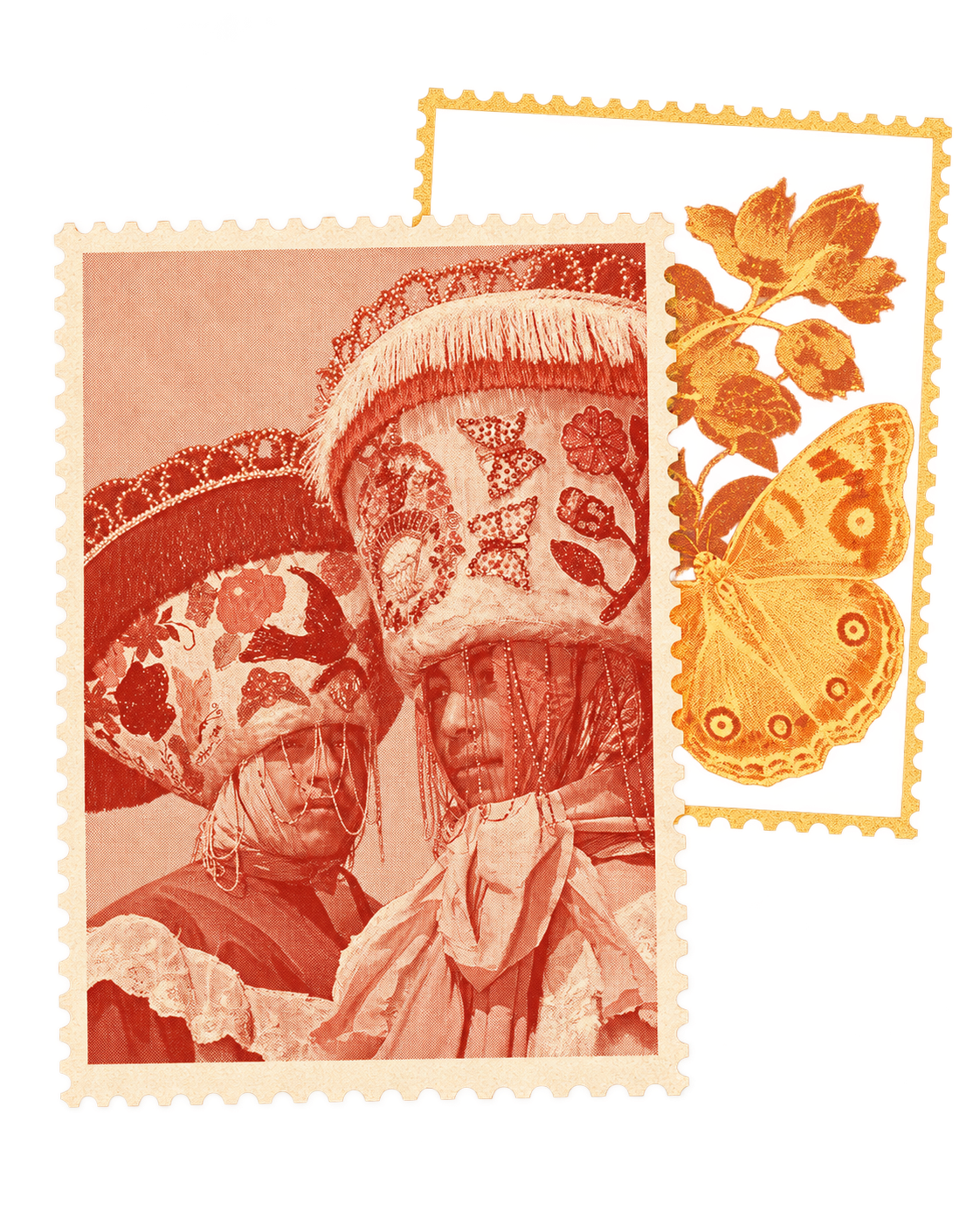
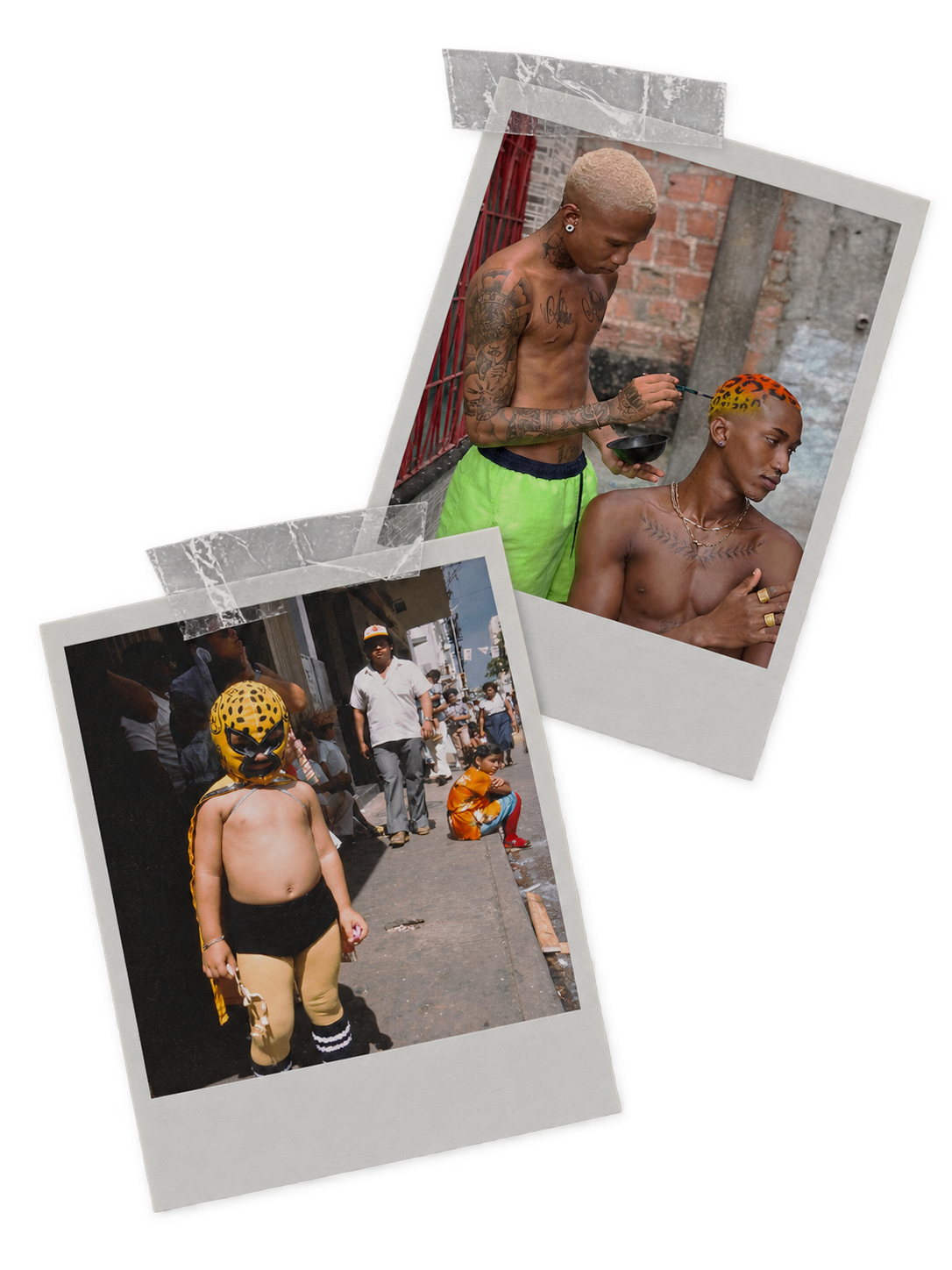
A plural political world must be capable of sustaining difference without converting it into separation. It must make room for communities to preserve languages, memories and ways of life while remaining free to transform them.
Cultural continuity and cultural change are not opposites. Neither are belonging and encounter. The possibility of living together rests precisely in refusing the demand that people choose between disappearing into a dominant culture and retreating into identities protected from relation.
This is where land, movement and interculturality converge. The struggle over land concerns the material conditions of remaining. The struggle over migration concerns the freedom to move and the unequal power to regulate movement. The struggle over culture concerns the terms under which people meet, differ, transform and belong. Each exposes a different dimension of the same political question: how can people inhabit a shared world without having their place in it determined by dispossession, borders or compulsory sameness?
The political landscape we inherit offers no final answer. It was made through conquest and resistance, enclosure and redistribution, colonialism and liberation, migration and settlement, exclusion and solidarity. Its borders have changed before, and they continue to change.
Categories that appear permanent are repeatedly unsettled by people whose lives exceed them: communities that refuse displacement, landless movements that reclaim territory, migrants who organise against exploitation, Indigenous peoples who defend relations to land irreducible to property, and cultural formations that make the distinction between here and elsewhere increasingly difficult to sustain.
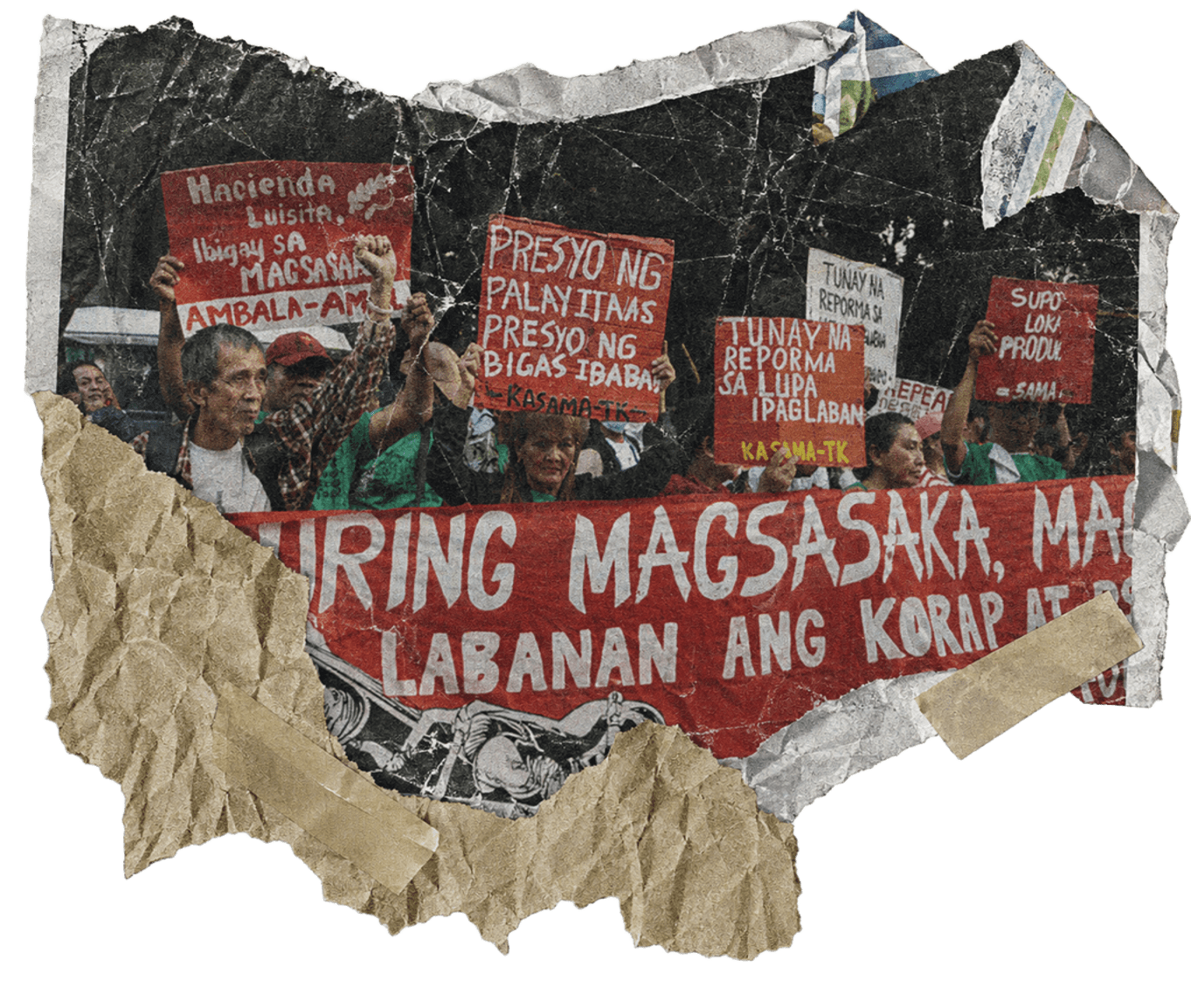
Borderscapes are found in these conflicts because a border is never only a mechanism of restriction. It is also a site where the organisation of space, mobility and belonging becomes visible enough to be challenged. The struggles that confront dispossession, forced displacement, exclusion and cultural enclosure do more than demand access to an existing order.
At their most transformative, they alter the terms through which land, movement and belonging are understood.
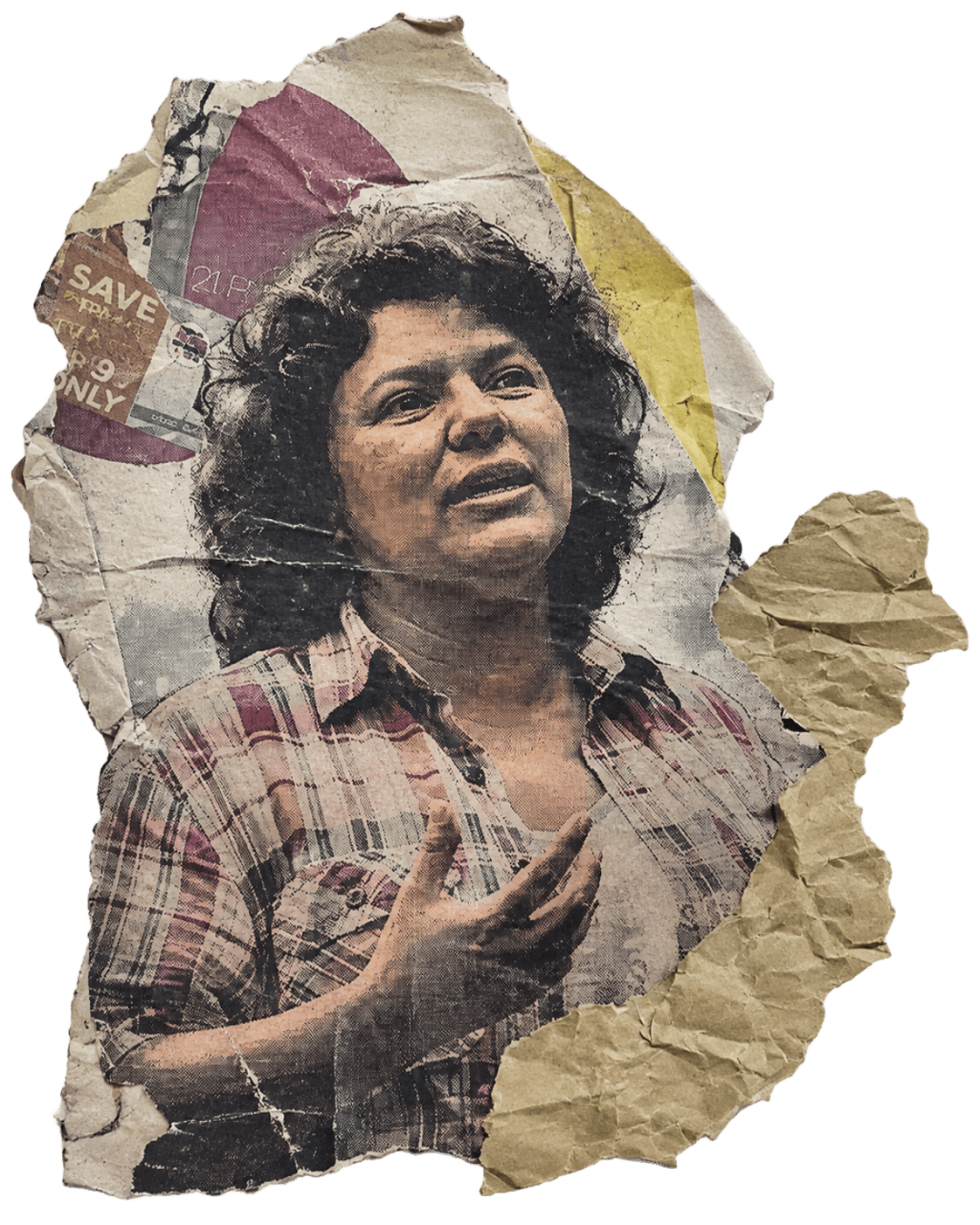
Borderscape exists to participate in that work: to connect questions too often separated, to bring research into conversation with struggles already underway, and to create space for political and cultural imaginaries that exceed the limits of the present.
We are interested in knowledge that does not merely describe borders but follows their consequences; in encounters that do not treat difference as a problem to be solved; and in forms of solidarity capable of crossing the distinctions through which people are taught to remain apart.
The world is already full of people defending the right to remain, exercising the freedom to move, recovering land, organising across borders and creating forms of life that inherited categories cannot fully contain.
They do not constitute a single movement, nor should they be reduced to one political tradition. What they share is the refusal to accept the existing distribution of land, mobility and belonging as the natural order of things.


Borderscape begins there: not with the border as it is, but with the possibilities that appear when its arrangements cease to be taken for granted.